후산선생소개

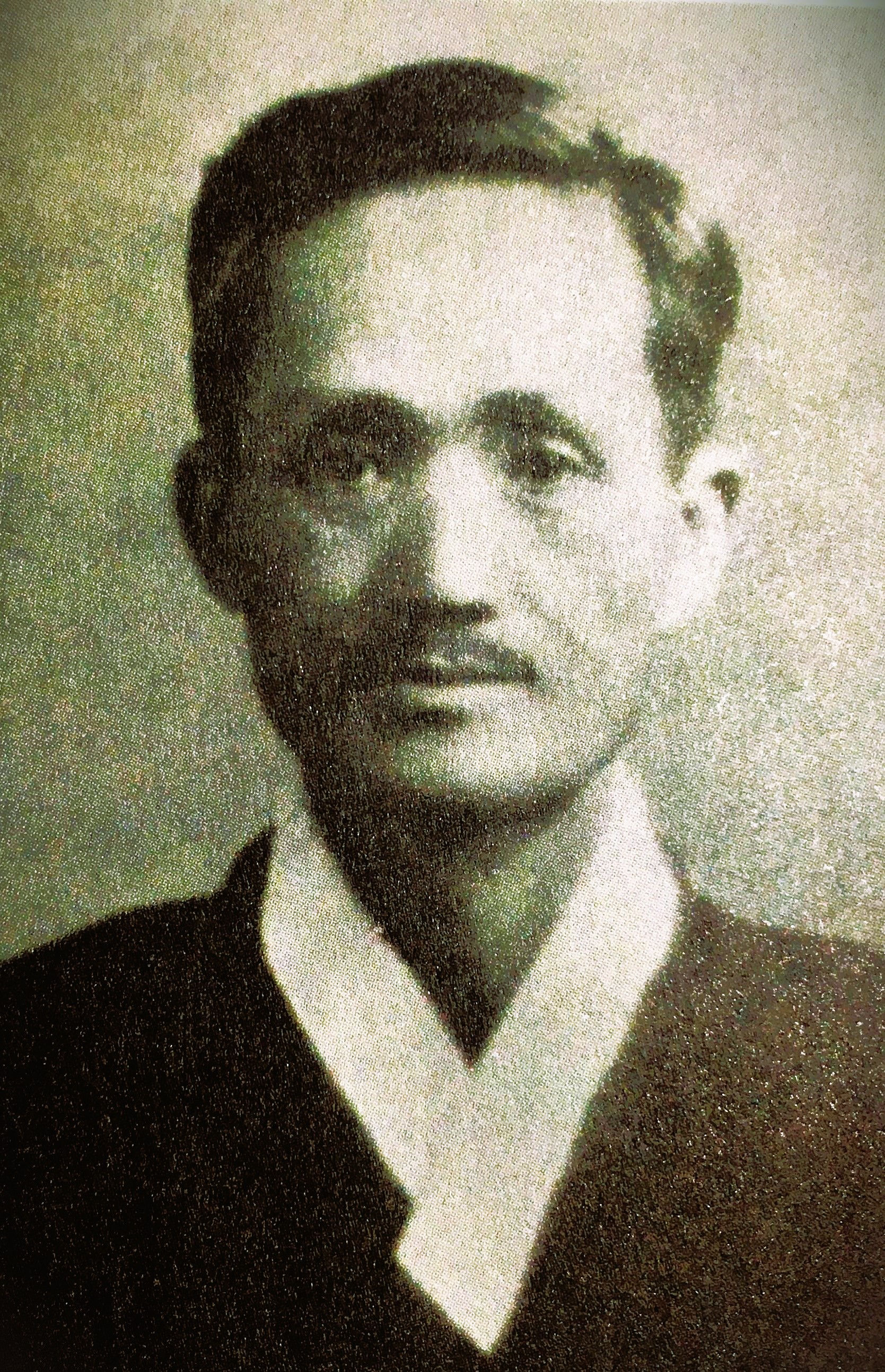
후산 서병철 선생 / Sir Husan Suh, Byung Chul (1893~1977)
- 40대의 모습 / At age of 40's -
애국지사 서병철 행적
조국의 독립과 민족을 위해 일생을 바친 후산 서병철 지사(後山徐丙轍志士)는 인조조(仁祖朝)의 현상 달성서성 시호충숙공 아호약봉의 십일대손(十一代孫)으로 1893년 7월 6일 본군 해미면 억대리에서 출생하여, 일찍이 한학(漢学)을 배우고 사립 해명학교(해명학교)에서 공부하던 중, 약관 21세되던 경술년(庚戌年)에 온 민족이 조국을 잃은 통한(痛恨)의 국치(國恥)를 당하게 되자, 공은 자신의 학문을 버리고 오직 구국의 일념으로 많은 애국지사들과 함께 독립투쟁을 시작했다.
국내외에서 대소의 독립운동이 끊임없이 계속되는 동안, 공은 대한독립단원(大韓獨立團員)으로 활약하며 서산군내의 독립단 조직과 독립운동 자금 조달을 위해 1918년 서산지단을 조직했고, 이어 1919년에는 3·1 독립운동에 참가했다.
그리고 중국 상해(中國上海)에 임시정부(臨時政府)가 수립되자 공은 임시정부를 도와 독립투쟁을 하던 중, 1920년 일경()에 피검(被檢)되어 공주형무소(公州矯導所)에서 옥고(獄苦)를 치렀고, 출옥후 애국투사 김상옥, 명제세. 조만식. 김동순(金相玉, 明濟世. 曺晩植. 金東淳) 등과 조국광복을 위한 일대의거(一大義擧)를 추진 중, 재차 피검되어 경성형무소(경성형무소)에서 또 다시 옥고를 치렀다.
국내외에서 대소의 독립운동이 끊임없이 계속되는 동안, 공은 대한독립단원(大韓獨立團員)으로 활약하며 서산군내의 독립단 조직과 독립운동 자금 조달을 위해 1918년 서산지단을 조직했고, 이어 1919년에는 3·1 독립운동에 참가했다.
그리고 중국 상해(中國上海)에 임시정부(臨時政府)가 수립되자 공은 임시정부를 도와 독립투쟁을 하던 중, 1920년 일경()에 피검(被檢)되어 공주형무소(公州矯導所)에서 옥고(獄苦)를 치렀고, 출옥후 애국투사 김상옥, 명제세. 조만식. 김동순(金相玉, 明濟世. 曺晩植. 金東淳) 등과 조국광복을 위한 일대의거(一大義擧)를 추진 중, 재차 피검되어 경성형무소(경성형무소)에서 또 다시 옥고를 치렀다.
그러나 출옥 후에도 투쟁은 계속되었고 요시찰 인물(要視察人物) 사건이 발생할 때마다 모진 박해와 검속의 고난을 무수히 겪으면서도 혼신(渾身)의 투쟁을 꼐속하다가 1945년 드디어 광복(光復)을 맞이하였다.
광복후에도 공은 조국의 통일과 민족의 번영을 위하여 조국애와 민족자립 정신 함양에 힘썼고, 또한 근검절약의 정신을 몸소 실천하였다.
그리고 애국지사의 모임인 독립동지회(独立同志会)에 참여하여 독립정신 양양에 힘써왔다. 그리고 공의 생존시에 그의 독립운동 공적에 대한 치하와 그 경위를 물으면 「독립운동은 이해를 따져서 하는 것이 아니며 더구나 치하를 받기 위하여 하는 것도 아니다」 라며 자신은 감추고 공로는 타인에게 돌리는 극히 겸양한 분이었다.
이러한 사연도 당시의 법원 판결문과 생존한 동지들의 구전(口伝)에 읳나 것임을 밝혀두는 바이다.
이에 정부는 공의 애국공적을 기려 1977년 12월에 건국포장(建囯褒章)을 추서(追敍)하였고 유족에게는 원호금(援護金)을 수여한 바 있다.
광복후에도 공은 조국의 통일과 민족의 번영을 위하여 조국애와 민족자립 정신 함양에 힘썼고, 또한 근검절약의 정신을 몸소 실천하였다.
그리고 애국지사의 모임인 독립동지회(独立同志会)에 참여하여 독립정신 양양에 힘써왔다. 그리고 공의 생존시에 그의 독립운동 공적에 대한 치하와 그 경위를 물으면 「독립운동은 이해를 따져서 하는 것이 아니며 더구나 치하를 받기 위하여 하는 것도 아니다」 라며 자신은 감추고 공로는 타인에게 돌리는 극히 겸양한 분이었다.
이러한 사연도 당시의 법원 판결문과 생존한 동지들의 구전(口伝)에 읳나 것임을 밝혀두는 바이다.
이에 정부는 공의 애국공적을 기려 1977년 12월에 건국포장(建囯褒章)을 추서(追敍)하였고 유족에게는 원호금(援護金)을 수여한 바 있다.
Patriot Husan Seo Byeong-cheol (後山 徐丙轍) devoted his entire life to the independence of his country and the Korean nation. He was the eleventh-generation descendant of Yakbong, who was posthumously honored with the title Chungsukgong during the reign of King Injo of the Joseon Dynasty. He was born on July 6, 1893, in Eokdae-ri, Haemi-myeon, Seosan County.
From an early age, he studied classical Chinese and later attended the private Haemyeong School. In 1910, at the age of 21, when the Korean nation suffered the bitter humiliation of losing its sovereignty to Japan, he abandoned his scholarly pursuits and, with a single-minded determination to save the country, joined numerous patriotic activists in the struggle for independence.
As independence movements, both large and small, continued inside and outside the country, he was active as a member of the Korean Independence Corps. In 1918, he organized the Seosan branch to build the local independence organization and raise funds for the movement. In 1919, he participated in the March 1st Independence Movement.
After the Provisional Government of the Republic of Korea was established in Shanghai, China, he assisted its independence efforts. In 1920, he was arrested by Japanese police and imprisoned in Gongju Prison, where he endured harsh suffering.
After his release, he worked with fellow patriots such as Kim Sang-ok, Myeong Je-se, Jo Man-sik, and Kim Dong-sun to plan a major patriotic uprising for Korea’s liberation. He was arrested again and served another prison term in Gyeongseong Prison.
Even after his release, his struggle continued. Whenever incidents involving “persons under surveillance” occurred, he endured repeated persecution and arrests, yet persisted in his wholehearted fight until Korea finally achieved liberation in 1945.
After liberation, he continued to dedicate himself to the unification of the country and the prosperity of the Korean people, striving to cultivate patriotism and the spirit of national self-reliance. He personally practiced diligence and frugality in daily life.
He also participated in the Association of Independence Comrades, a gathering of patriotic activists, and devoted himself to fostering the spirit of independence. When asked during his lifetime about recognition of his achievements and the details of his independence activities, he would say, “The independence movement is not something undertaken for personal gain, nor is it done to receive praise.” He was an exceptionally humble man who concealed his own contributions and credited others instead.
It should be noted that these accounts are based on court rulings of the time and the oral testimonies of surviving comrades.
In recognition of his patriotic achievements, the government posthumously awarded him the Order of Merit for National Foundation in December 1977, and provided financial support to his surviving family.
후산의 고향 '해미' 둘러보기 클릭⇩
Place of Interests in Haemi
Person of Interests
재조명을 추천하는 4인의 독립운동가 명단입니다.
김상옥 Kim Sang Ok https://namu.wiki/w/김상옥
이승만 Syngman Rhee https://namu.wiki/w/이승만
서재필 Philip Jaison https://namu.wiki/w/서재필
안창호 Ahn Chang Ho https://namu.wiki/w/안창호
* 김상옥은 후산 서병철의 독립운동 인생역정에 가장 큰 영향을 끼쳤다는 의미에서 4인의 인물 중 첫번째로 리뷰를 추천하였습니다. 그 아래 3인은 모두 알다시피 미국에 근거지를 두고 국내 독립운동을 하였다는 공통점이 있습니다. 김상옥에 대하여 더 알기 원하는 분을 위한 추천블로그. 재미도 있고 감동적입니다.
해외에 소개된 독립운동 역사이야기
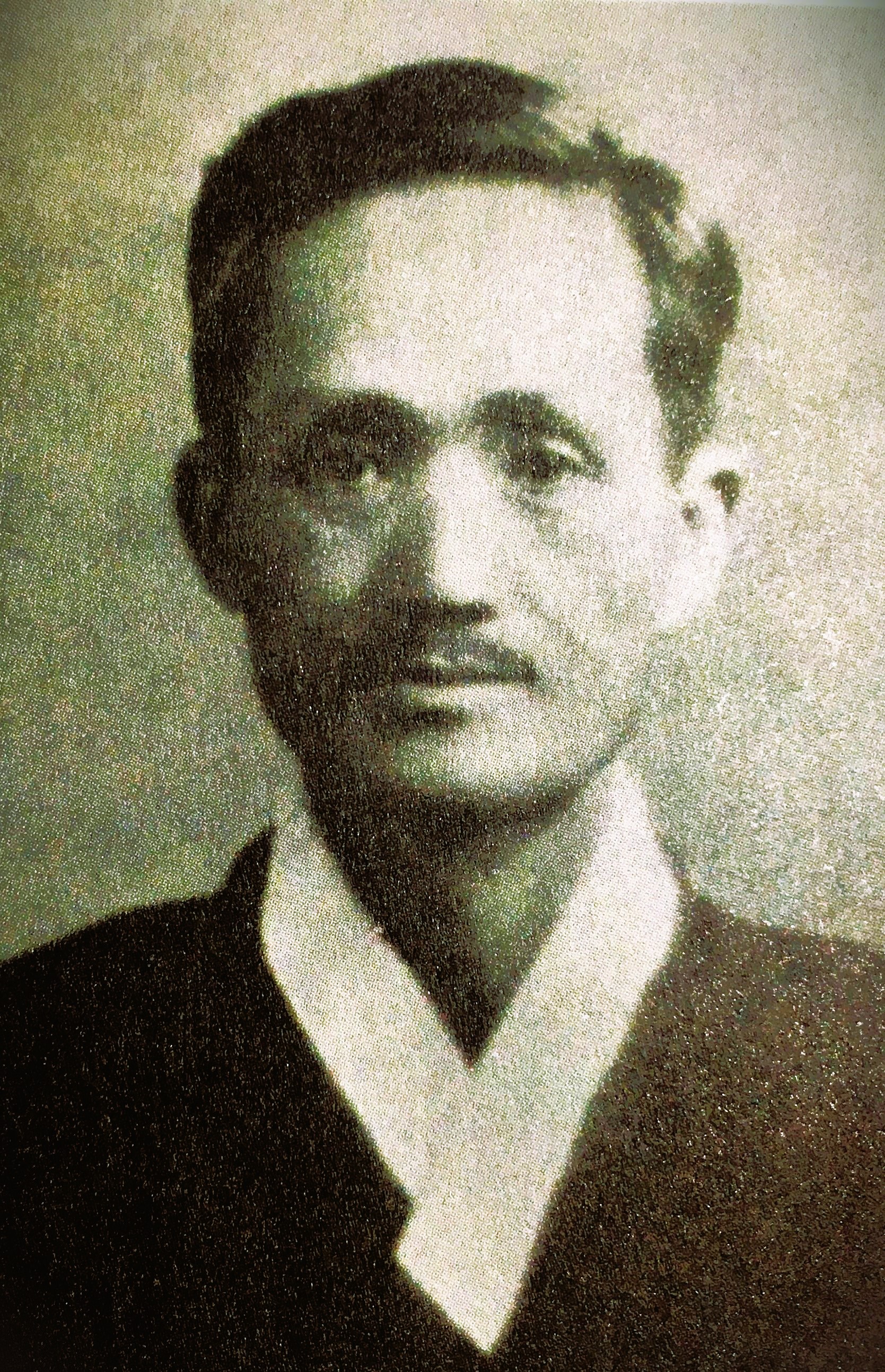
후산 서병철 선생 / Sir Husan Suh, Byung Chul (1893~1977)
- 40대의 모습 / At age of 40's -
- 40대의 모습 / At age of 40's -
애국지사 서병철 행적
조국의 독립과 민족을 위해 일생을 바친 후산 서병철 지사(後山徐丙轍志士)는 인조조(仁祖朝)의 현상 달성서성 시호충숙공 아호약봉의 십일대손(十一代孫)으로 1893년 7월 6일 본군 해미면 억대리에서 출생하여, 일찍이 한학(漢学)을 배우고 사립 해명학교(해명학교)에서 공부하던 중, 약관 21세되던 경술년(庚戌年)에 온 민족이 조국을 잃은 통한(痛恨)의 국치(國恥)를 당하게 되자, 공은 자신의 학문을 버리고 오직 구국의 일념으로 많은 애국지사들과 함께 독립투쟁을 시작했다.
국내외에서 대소의 독립운동이 끊임없이 계속되는 동안, 공은 대한독립단원(大韓獨立團員)으로 활약하며 서산군내의 독립단 조직과 독립운동 자금 조달을 위해 1918년 서산지단을 조직했고, 이어 1919년에는 3·1 독립운동에 참가했다.
그리고 중국 상해(中國上海)에 임시정부(臨時政府)가 수립되자 공은 임시정부를 도와 독립투쟁을 하던 중, 1920년 일경()에 피검(被檢)되어 공주형무소(公州矯導所)에서 옥고(獄苦)를 치렀고, 출옥후 애국투사 김상옥, 명제세. 조만식. 김동순(金相玉, 明濟世. 曺晩植. 金東淳) 등과 조국광복을 위한 일대의거(一大義擧)를 추진 중, 재차 피검되어 경성형무소(경성형무소)에서 또 다시 옥고를 치렀다.
국내외에서 대소의 독립운동이 끊임없이 계속되는 동안, 공은 대한독립단원(大韓獨立團員)으로 활약하며 서산군내의 독립단 조직과 독립운동 자금 조달을 위해 1918년 서산지단을 조직했고, 이어 1919년에는 3·1 독립운동에 참가했다.
그리고 중국 상해(中國上海)에 임시정부(臨時政府)가 수립되자 공은 임시정부를 도와 독립투쟁을 하던 중, 1920년 일경()에 피검(被檢)되어 공주형무소(公州矯導所)에서 옥고(獄苦)를 치렀고, 출옥후 애국투사 김상옥, 명제세. 조만식. 김동순(金相玉, 明濟世. 曺晩植. 金東淳) 등과 조국광복을 위한 일대의거(一大義擧)를 추진 중, 재차 피검되어 경성형무소(경성형무소)에서 또 다시 옥고를 치렀다.
그러나 출옥 후에도 투쟁은 계속되었고 요시찰 인물(要視察人物) 사건이 발생할 때마다 모진 박해와 검속의 고난을 무수히 겪으면서도 혼신(渾身)의 투쟁을 꼐속하다가 1945년 드디어 광복(光復)을 맞이하였다.
광복후에도 공은 조국의 통일과 민족의 번영을 위하여 조국애와 민족자립 정신 함양에 힘썼고, 또한 근검절약의 정신을 몸소 실천하였다.
그리고 애국지사의 모임인 독립동지회(独立同志会)에 참여하여 독립정신 양양에 힘써왔다. 그리고 공의 생존시에 그의 독립운동 공적에 대한 치하와 그 경위를 물으면 「독립운동은 이해를 따져서 하는 것이 아니며 더구나 치하를 받기 위하여 하는 것도 아니다」 라며 자신은 감추고 공로는 타인에게 돌리는 극히 겸양한 분이었다.
이러한 사연도 당시의 법원 판결문과 생존한 동지들의 구전(口伝)에 읳나 것임을 밝혀두는 바이다.
이에 정부는 공의 애국공적을 기려 1977년 12월에 건국포장(建囯褒章)을 추서(追敍)하였고 유족에게는 원호금(援護金)을 수여한 바 있다.
광복후에도 공은 조국의 통일과 민족의 번영을 위하여 조국애와 민족자립 정신 함양에 힘썼고, 또한 근검절약의 정신을 몸소 실천하였다.
그리고 애국지사의 모임인 독립동지회(独立同志会)에 참여하여 독립정신 양양에 힘써왔다. 그리고 공의 생존시에 그의 독립운동 공적에 대한 치하와 그 경위를 물으면 「독립운동은 이해를 따져서 하는 것이 아니며 더구나 치하를 받기 위하여 하는 것도 아니다」 라며 자신은 감추고 공로는 타인에게 돌리는 극히 겸양한 분이었다.
이러한 사연도 당시의 법원 판결문과 생존한 동지들의 구전(口伝)에 읳나 것임을 밝혀두는 바이다.
이에 정부는 공의 애국공적을 기려 1977년 12월에 건국포장(建囯褒章)을 추서(追敍)하였고 유족에게는 원호금(援護金)을 수여한 바 있다.
Patriot Husan Seo Byeong-cheol (後山 徐丙轍) devoted his entire life to the independence of his country and the Korean nation. He was the eleventh-generation descendant of Yakbong, who was posthumously honored with the title Chungsukgong during the reign of King Injo of the Joseon Dynasty. He was born on July 6, 1893, in Eokdae-ri, Haemi-myeon, Seosan County.
From an early age, he studied classical Chinese and later attended the private Haemyeong School. In 1910, at the age of 21, when the Korean nation suffered the bitter humiliation of losing its sovereignty to Japan, he abandoned his scholarly pursuits and, with a single-minded determination to save the country, joined numerous patriotic activists in the struggle for independence.
As independence movements, both large and small, continued inside and outside the country, he was active as a member of the Korean Independence Corps. In 1918, he organized the Seosan branch to build the local independence organization and raise funds for the movement. In 1919, he participated in the March 1st Independence Movement.
After the Provisional Government of the Republic of Korea was established in Shanghai, China, he assisted its independence efforts. In 1920, he was arrested by Japanese police and imprisoned in Gongju Prison, where he endured harsh suffering.
After his release, he worked with fellow patriots such as Kim Sang-ok, Myeong Je-se, Jo Man-sik, and Kim Dong-sun to plan a major patriotic uprising for Korea’s liberation. He was arrested again and served another prison term in Gyeongseong Prison.
Even after his release, his struggle continued. Whenever incidents involving “persons under surveillance” occurred, he endured repeated persecution and arrests, yet persisted in his wholehearted fight until Korea finally achieved liberation in 1945.
After liberation, he continued to dedicate himself to the unification of the country and the prosperity of the Korean people, striving to cultivate patriotism and the spirit of national self-reliance. He personally practiced diligence and frugality in daily life.
He also participated in the Association of Independence Comrades, a gathering of patriotic activists, and devoted himself to fostering the spirit of independence. When asked during his lifetime about recognition of his achievements and the details of his independence activities, he would say, “The independence movement is not something undertaken for personal gain, nor is it done to receive praise.” He was an exceptionally humble man who concealed his own contributions and credited others instead.
It should be noted that these accounts are based on court rulings of the time and the oral testimonies of surviving comrades.
In recognition of his patriotic achievements, the government posthumously awarded him the Order of Merit for National Foundation in December 1977, and provided financial support to his surviving family.
후산의 고향 '해미' 둘러보기 클릭⇩
Place of Interests in Haemi
해미국제성지 www.haemi.or.kr
Persons of Interests
재조명을 추천하는 4인의 독립운동가 명단입니다.
김상옥 Kim Sang Ok https://namu.wiki/w/김상옥
이승만 Syngman Rhee https://namu.wiki/w/이승만
서재필 Philip Jaison https://namu.wiki/w/서재필
안창호 Ahn Chang Ho https://namu.wiki/w/안창호
* 김상옥은 후산 서병철의 독립운동 인생역정에 가장 큰 영향을 끼쳤다는 의미에서 4인의 인물 중 첫번째로 리뷰를 추천하였습니다. 그 아래 3인은 모두 알다시피 미국에 근거지를 두고 국내 독립운동을 하였다는 공통점이 있습니다. 김상옥에 대하여 더 알기 원하는 분을 위한 추천블로그. 영화같은 스토리가 재미있고 감동적입니다. ☞ https://blog.naver.com/vagahong/223721158373
해외에 소개되는 독립운동의 역사안내책자 / 배우 송혜교와 성신여대 서경덕 교수가 기획 및 제작하였습니다. ☞ www.historyofkorea.co.kr